
Seoul, this week
Looking for things to do in Seoul? Start with what's open this week.
Popga (팝가) lists the pop-up stores running in Seoul right now — where they are, when they close, and how long the line is.
What is a pop-up store?
A pop-up store is a temporary space a brand opens for a short run, usually two to four weeks. Most are free to walk into. Many hand out samples, build photo rooms, or sell things you can only get there.
Seoul has dozens running on any given day, and they are the main reason locals head to a neighbourhood like Seongsu on a Saturday.
Because they vanish so fast, there is no famous pop-up store to put on a bucket list. What matters is what is open the week you are here — the one thing a guidebook cannot tell you.
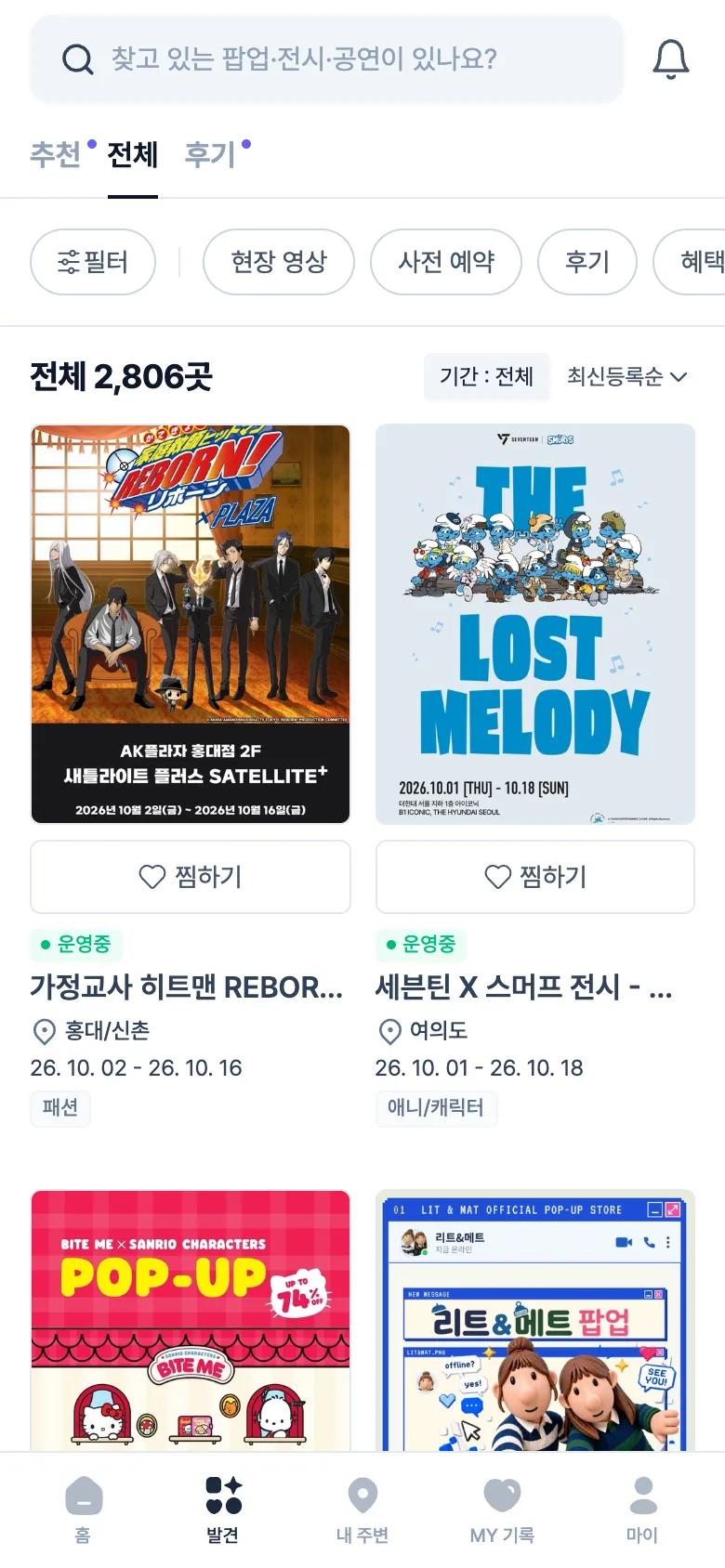
Search the map around you
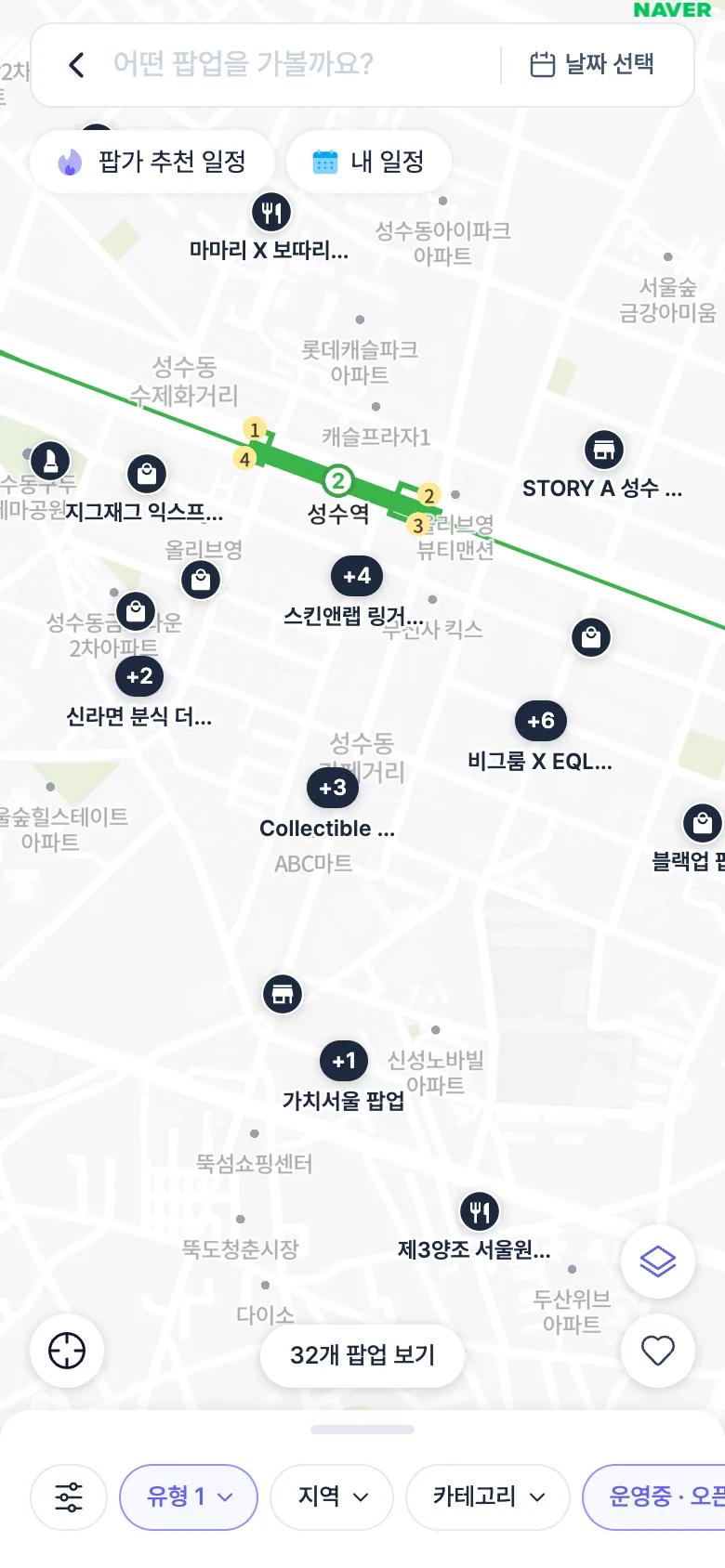
Popga has a map view. Pan to where you are standing and you get the pop-ups within walking distance, each with the date it closes.
That beats a list once you are already out. Seoul neighbourhoods are dense, so in Seongsu or Hongdae several pop-ups can sit within walking distance of each other.
Where to go
These three neighbourhoods are where pop-ups cluster. They are not interchangeable, so pick by what you are into.
Seongsu 성수동
Design, fashion, coffee
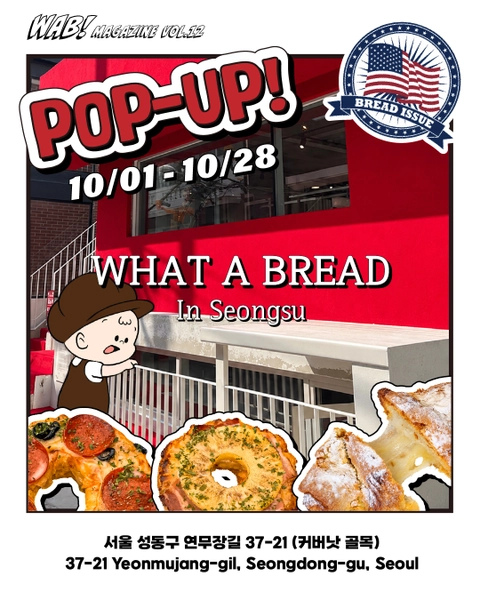
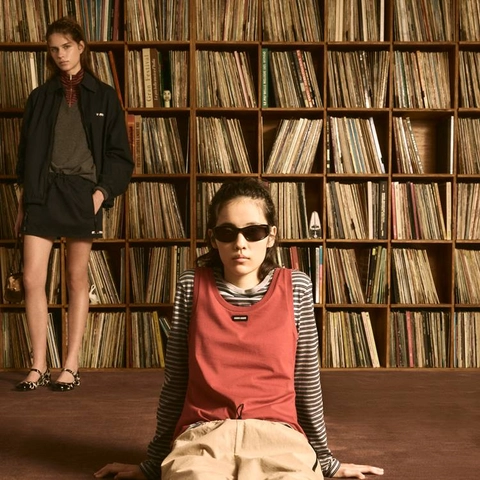
Seongsu is a former factory district east of the river, now full of converted warehouses, roasters and concept stores. Fashion and design brands open their biggest pop-ups here.
If you only have time for one neighbourhood, make it this one. Expect to walk, and expect queues at the weekend.
Open now
Hongdae & Sinchon 홍대
Young brands, street culture
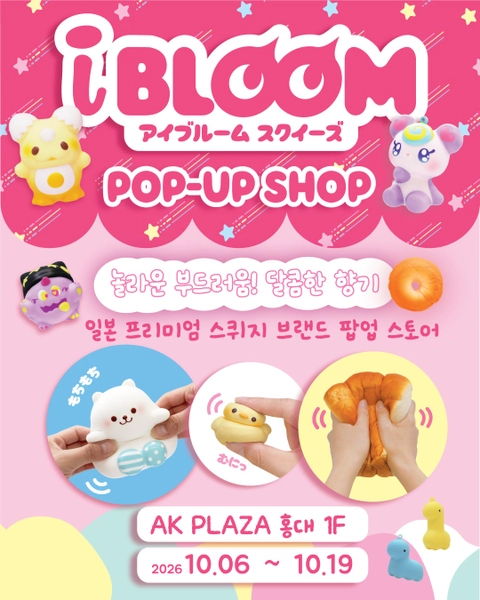
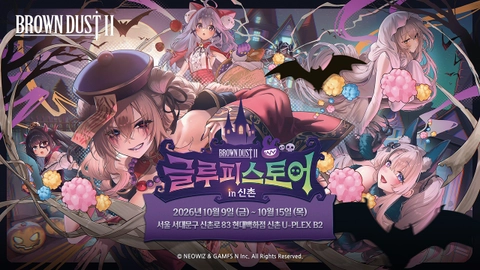
Hongdae is the student and live-music district around Hongik University, with Sinchon next door. Pop-ups here skew younger and cheaper — idol and webtoon collaborations, beauty brands, snack launches.
It runs late. Most of these streets are at their busiest after dark.
Open now
Yeouido & THE HYUNDAI SEOUL 여의도
Department store pop-ups, all indoors
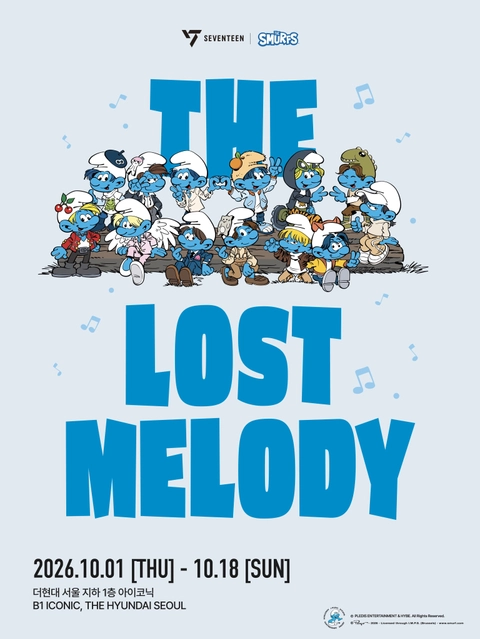
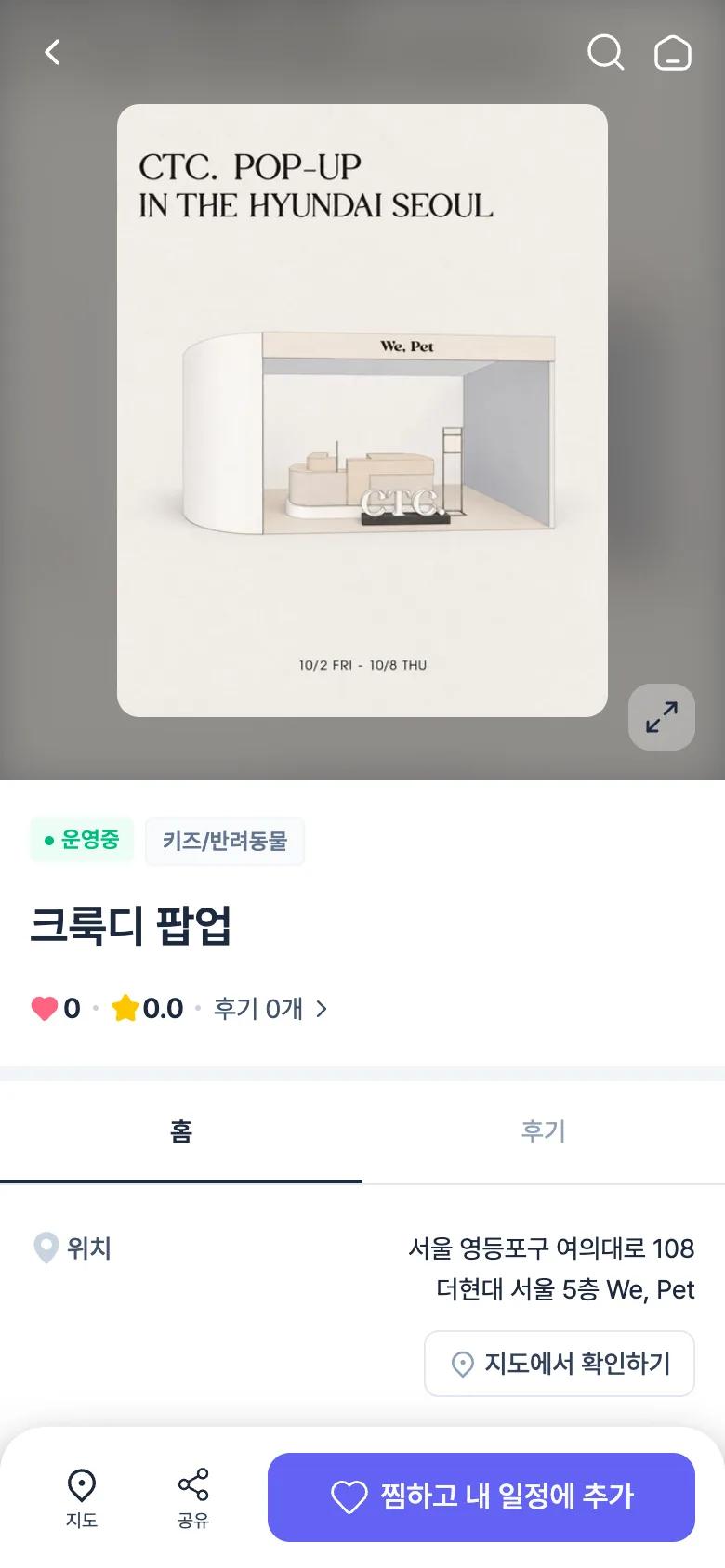
Yeouido is the business island on the Han River, and THE HYUNDAI SEOUL inside it runs pop-ups continuously across several floors.
Everything sits indoors under one roof, which makes it the safe pick on a rainy day or in midsummer.
Open now

How to use this, in three steps
- 1
Pick a neighbourhood
Start from Seongsu, Hongdae or Yeouido above, or pan the map to wherever you are staying.
- 2
Check the dates and the line
Every listing shows the run dates and, where the brand uses one, the live waiting list. A pop-up that closed yesterday looks identical to one that opens tomorrow if you only read the photos.
- 3
Copy the Korean address into your map app
Google Maps is unreliable for walking directions in Korea. Copy the Korean address from the listing and paste it into Naver Map or KakaoMap — both have English interfaces and both will route you door to door.
Waiting lists: what is translated, and what is not
Busy pop-ups run a digital waiting list instead of a physical queue. You register, walk away, and come back when your number is called.
The registration steps and the live status screen are translated into English, Japanese and Chinese. Choosing a zone, entering your contact details and watching your number all work without Korean.
Registering needs a Popga account. You sign up with an email address or a social login, and those screens follow the language you picked. You start from the pop-up listing — open it and look for the waiting button there.
Notifications reach you by email. Text-message alerts exist in Korean only, so the form switches to email whenever you are using Popga in another language.
Some zones take Korean-speaking guests only. It is set zone by zone, so one pop-up can have both kinds side by side. Those zones cannot be selected while your notification language is English, Japanese or Chinese. Switching that language to Korean does let you register, but the registration screens and the alerts arrive in Korean from then on.
Also worth a look
Visitor reviews
Photos and notes from people who went this week — the fastest way to tell whether a pop-up is worth the trip across town.
Popga Magazine
Monthly roundups of what is opening, written neighbourhood by neighbourhood.
Build a walking route
Pin several pop-ups and Popga lays out an order to walk them in.
One thing to know before you tap through
Popga follows the language you pick here. The pop-up listings, the detail pages, sign-up and the waiting-list screens all come through in English.
What stays Korean is the text venues and other visitors write themselves — some pop-up names and descriptions, and the reviews people leave.
In practice that matters less than it sounds. Dates, opening hours, addresses, maps and photos read fine without Korean, and brand names are usually in English already.
For the rest, your browser's translate function handles it — Chrome and Safari both translate these pages cleanly. We would rather say so now than have you find out two taps in.
Questions visitors ask
- Do I need a Korean SIM or phone number?
- Not to browse, and not to join a waiting list — those take an email address. Text-message alerts are only available in Korean, so when you use Popga in English, Japanese or Chinese the form sends notifications to your email instead. That is decided by the language you picked, not by the brand.
- Is there an entry fee?
- Usually not. The large majority of pop-up stores in Seoul are free to walk into. Ticketed exhibitions are listed alongside them, and those show a price on the listing.
- Do I need to book ahead?
- For most, no — you turn up. Some of the busiest ones take a same-day reservation or run a waiting list instead, and that is set by the venue rather than by how quiet the day looks. Check the pop-up page before you travel out to it.
- Will the staff speak English?
- At major brand pop-ups, often yes, at least enough to get you through. At smaller ones, assume not. Very little of it requires talking — entry is free and photo zones are self-explanatory.
- When is it least crowded?
- Weekday mornings, right after opening. Weekend afternoons are the hardest, especially in Seongsu and at THE HYUNDAI SEOUL. The opening weekend of a hyped pop-up can mean a long wait.